RigUp · Case study
Labor management, on the rig.
- Mobile Product Design
- Workflow Design
- Field & Operations UX
- iOS · Android
- End-to-end Feature Ownership
- SaaS Patterns
- Role
- Product Designer
- Timeline
- Apr 2018 — Nov 2018
- Platform
- iOS · Android · Web
- Surface
- Operator iOS app · Contractor web · SaaS
Overview
An industry running on spreadsheets and phone calls.
Oilfield services scheduling was paper- and spreadsheet-bound: operators dispatched crews by phone, contractors tracked hours on clipboards, and pay rates were negotiated and re-negotiated in side channels.
RigUp’s product brought that workflow into a SaaS platform. The job was to design a mobile and web experience that operators trusted in the field and contractors could actually use without training.
Labor Manager: the operator-side hub for crew status, contractor detail and rate management.
Strategy
Three pillars to earn use in the field.
- 01
Fast on a phone, in the field
Every primary action reachable in two taps. Touch targets sized for gloved hands and bright sun.
- 02
Rates without phone calls
Pay-rate negotiation moved into the product, with a guided edit flow contractors and operators both trusted.
- 03
Onboarding that survives a slow signal
Contractor signup and crew add flows designed for intermittent connectivity and partial data.
Design
From signup to a working rate edit.
Four flows carried most of the daily use: signup, labor management, rate editing and adding new contractors. Each had to hold up to field conditions, not desk-bound ones.
Signup that branches early
The first decision is contractor or operator, because the products that follow are different. A clear branch up front kept the rest of the flow honest.
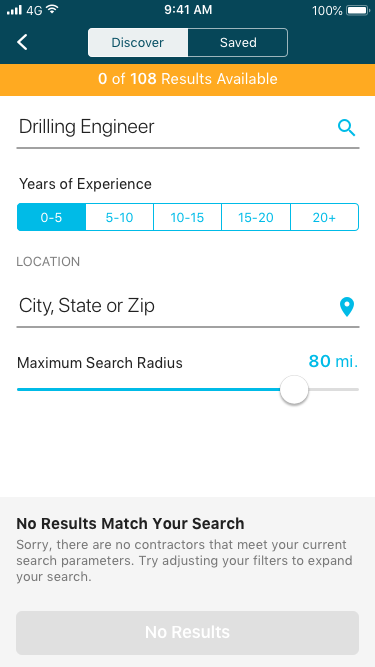
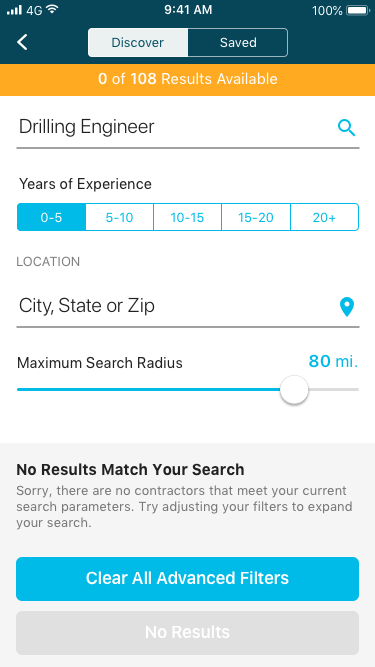
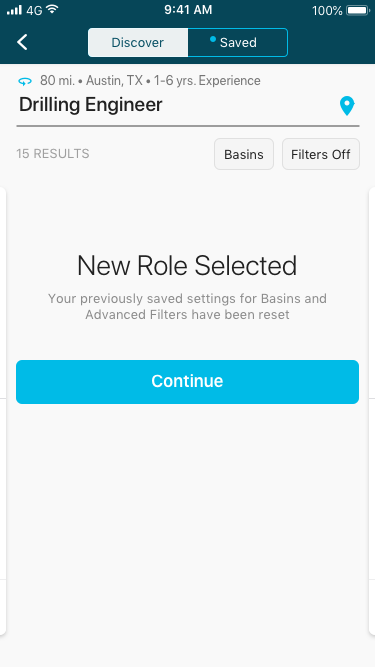
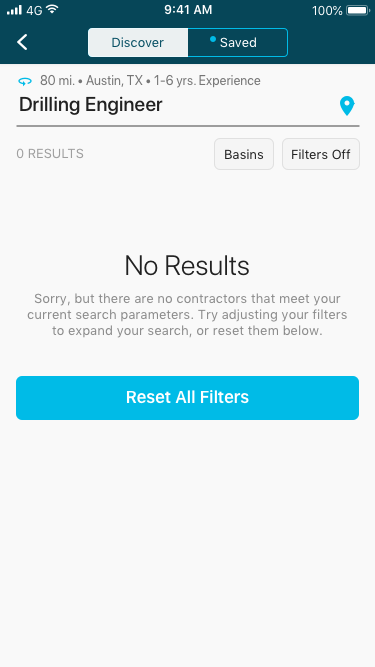
Sourcing crews by search and filter
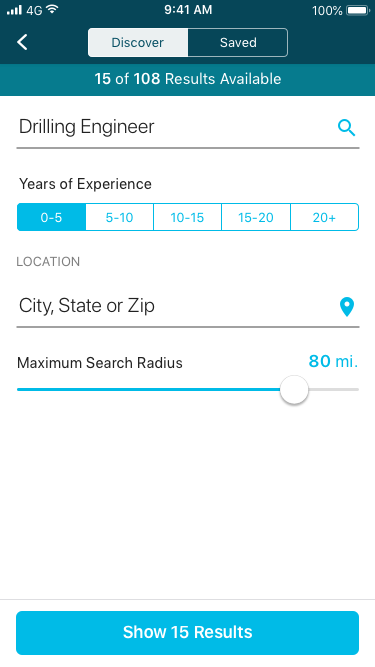
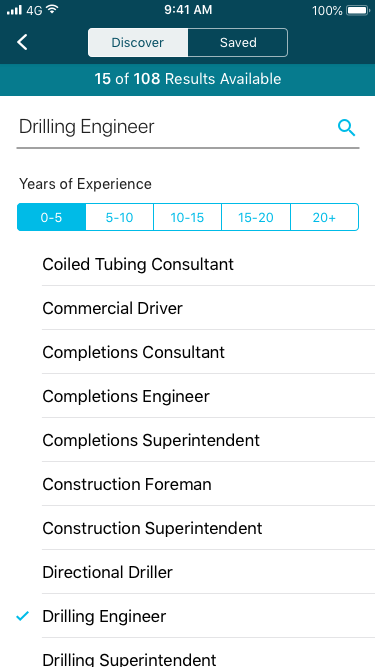
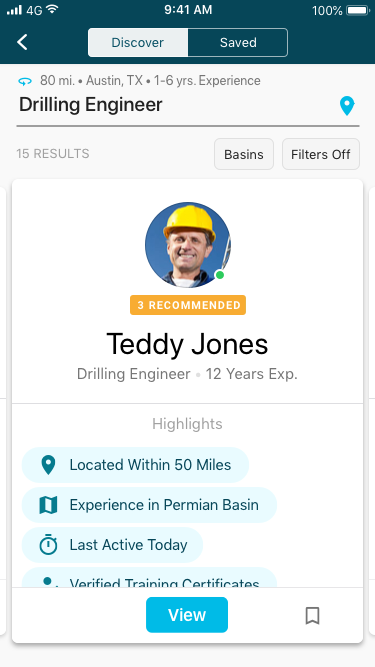
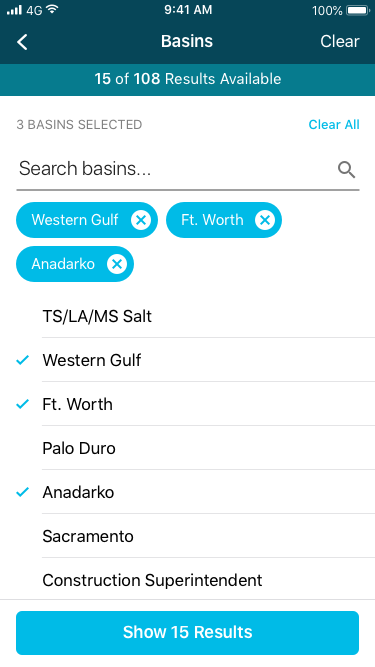
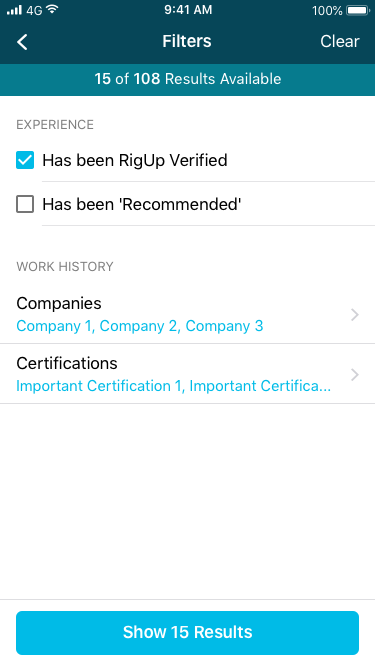
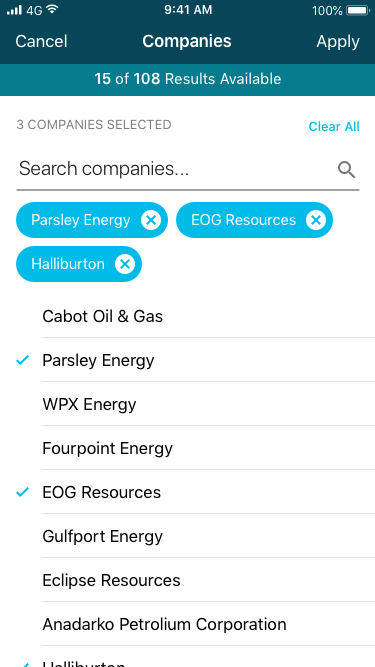
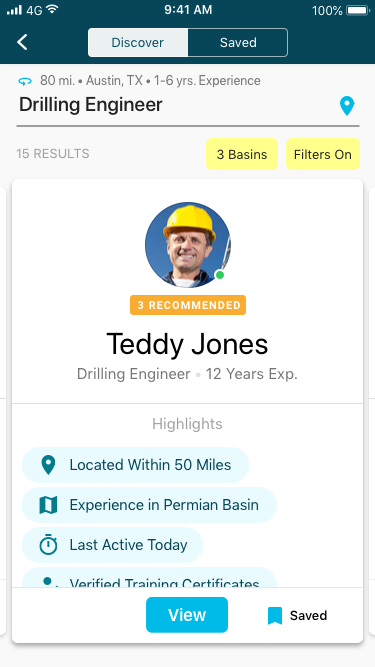
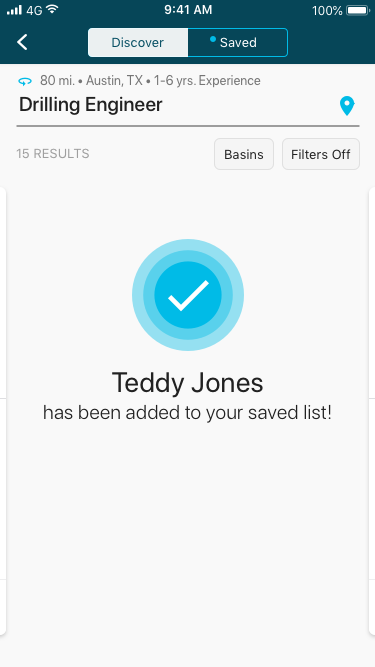
Operators needed to find the right contractor fast: by basin, by company, by service line. The search-and-filter flow layered facet filters on top of a results list, kept active filters visible as chips, and made resetting a search a single tap. Twelve screens cover entry, filter, results, empty state, save and reset.
Adding a contractor in the field
The add-contractor flow is built for one-thumb use on a truck dashboard: structured input, sensible defaults, and a clear path to assigning crews.
Outcome
Shipped to iOS and web for the operator workforce.
2
user types served on the same platform
iOS
app shipped alongside the web SaaS
Field-tested
against real crews and operators
Reflection
The product lived or died on field use.
Sitting with crews changed the design more than any artifact from the building. The decisions that read as small (touch targets, default values, what a step remembered) were the ones that determined whether the app got opened on a Tuesday at the rig.
The product is now part of Workrise, RigUp’s parent business, and continues to serve the same workforce.